
Qatar Warns Global Energy Shockwaves From Iran Conflict Have Yet to Peak

Editorial Transparency & Correction Notice
This report is published through the PothikTV editorial workflow. Sources, evidence, revisions and material corrections are documented where available.
No material correction has been recorded for this story.PothikTV News Desk: 19 October 2026, 9:35 am
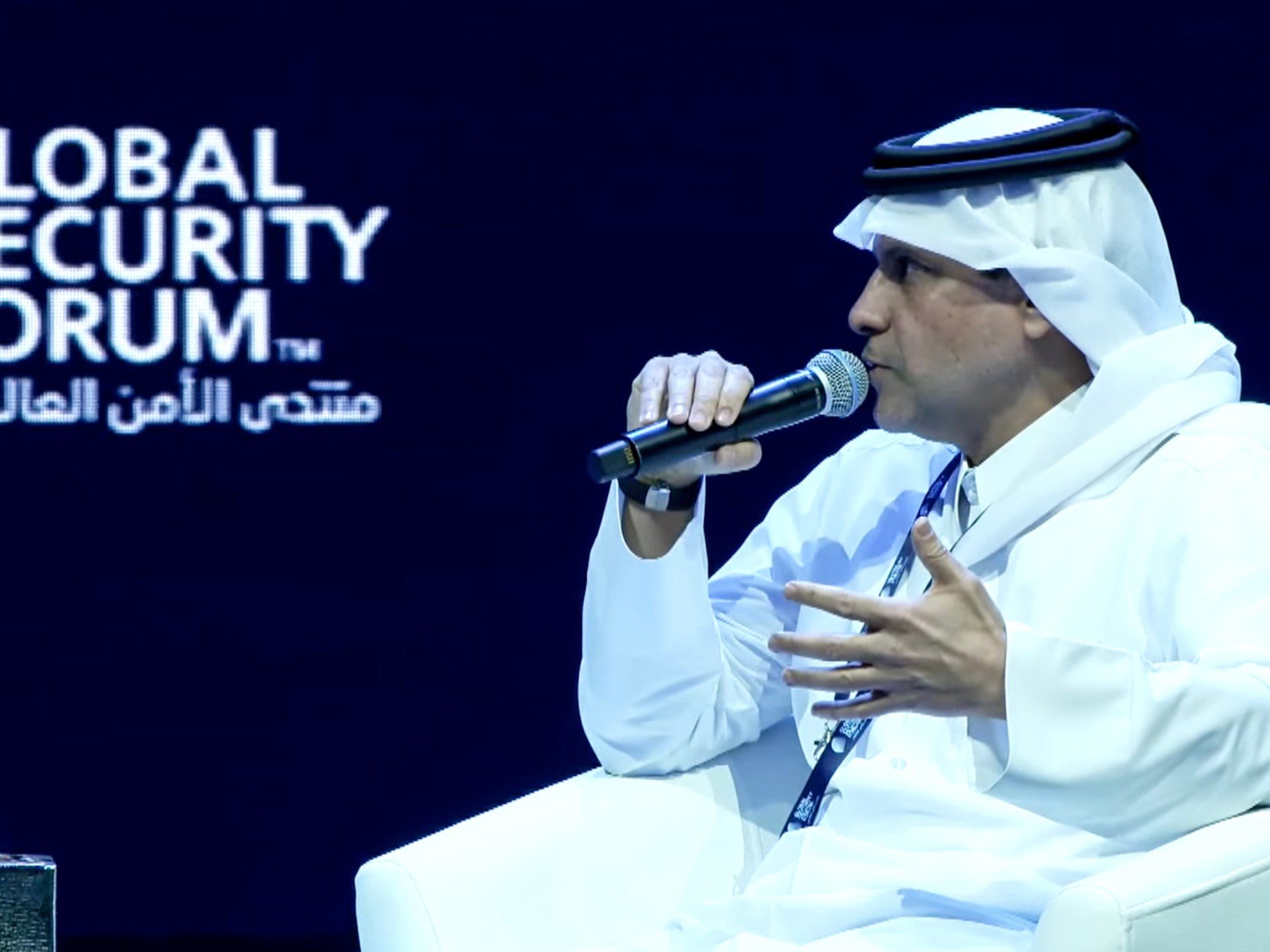
Qatar’s Deputy Prime Minister Sheikh Saoud bin Abdulrahman Al Thani has warned that global energy shockwaves resulting from the US-Israel conflict with Iran have not yet reached their peak, raising serious concerns regarding further disruptions to international trade, energy supplies, and global economic growth.
Speaking on Monday at the Global Security Forum in Doha, Sheikh Saoud, who also serves as the Minister of State for Defence Affairs, highlighted major risks facing Qatar and the broader Gulf region, particularly threats to sovereignty and critical energy infrastructure. He warned that additional economic and supply repercussions would unfold in the coming days and months.
The warning comes amid ongoing instability in the Strait of Hormuz, a crucial transit passage for global liquefied natural gas (LNG) and crude oil shipments, following US-Israeli strikes on Iran on February 28 and subsequent retaliatory attacks by Tehran across the region.
Iranian strikes in March targeted Qatar’s Ras Laffan industrial complex, causing significant facility damage that officials estimate will take several years to repair. Expressing surprise over the March attack, Sheikh Saoud noted that Qatar has held extensive discussions with Tehran since the incident and has taken steps to ensure all national assets are protected from future unexpected strikes.
Addressing proposals regarding the Strait of Hormuz, Sheikh Saoud rejected the idea of imposing transit fees on passing vessels. He emphasized that transit fees should not be applied and warned that continued uncertainty over the critical waterway would ultimately harm consumers globally.
Despite the military strikes, Sheikh Saoud confirmed that Doha maintains ongoing diplomatic communication with Tehran across various levels. Prior to the attacks, Qatar and Iran shared a relationship built on trust, rooted in long-standing economic interests and a joint offshore natural gas field. He suggested that long-term peace could be fostered by developing stronger economic ties with Iran, comparing potential future cooperation to that of France and Germany after past conflicts.
Qatar, alongside Oman and Pakistan, is actively involved in mediation efforts aimed at securing an agreement between the United States, Iran, and Israel. Sheikh Saoud stated that a durable peace requires a broader regional dialogue involving Gulf Cooperation Council (GCC) member states, Turkiye, and Pakistan, alongside international allies.
Highlighting Qatar’s strategic defence partnership with the United States, Sheikh Saoud credited shared military capabilities developed over decades for intercepting more than 90 percent of incoming attacks. He confirmed that expansion work is continuing at Al Udeid airbase, which hosts US and allied forces. The base was previously targeted by Iran in early March, during which Qatar reported shooting down two Iranian warplanes.
The deputy prime minister also announced plans for an upcoming regional defence initiative focused on air defence, counter-drone technologies, and cybersecurity. While specific regional partners were not named, Sheikh Saoud stressed that Qatar’s active mediation efforts do not compromise its readiness to take necessary defensive measures to protect its territory.
সম্পর্কিত সংবাদ


এই বিভাগের উল্লেখযোগ্য সংবাদ
World →

Corroborating Sources & Evidence
Corrections & Audit Trail
Material changes and newsroom transparency notes associated with this report.
SEO & Schema.org
- Schema type
- NewsArticle
- Canonical URL
- https://pothiktv.com/qatar-warns-global-energy-shockwaves-from-iran-conflict-have-yet-to-peak/
- Slug
- qatar-warns-global-energy-shockwaves-from-iran-conflict-have-yet-to-peak