

Bangladesh Reports Deadliest Day of Dengue in 2025: 12 Deaths and 740 Hospitalizations in 24 Hours

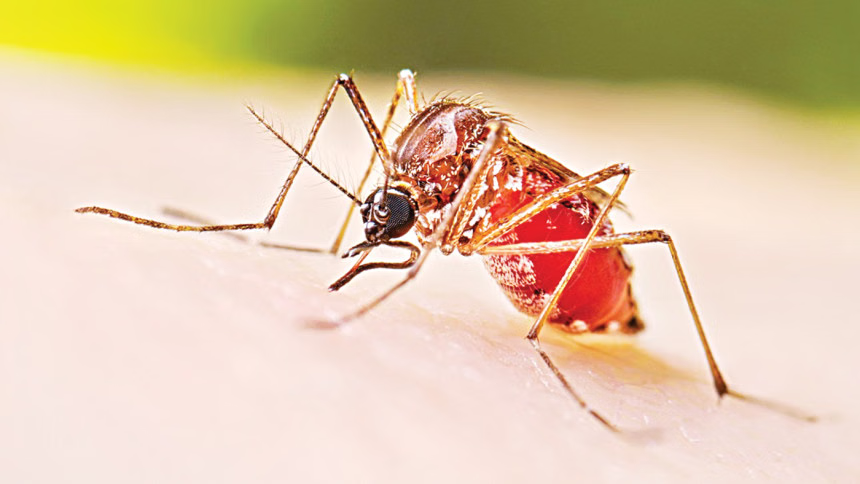
The year 2025 has brought a concerning surge in dengue cases across Bangladesh, culminating in the deadliest single day recorded thus far. Health authorities are grappling with the escalating crisis as hospitals overflow with patients and the death toll continues to rise. This article delves into the details of the outbreak, explores the contributing factors, examines the government’s response, and discusses the long-term strategies needed to combat this persistent public health challenge in Bangladesh.
Source: www.aljazeera.com
Dengue’s Deadly Grip: Understanding the 2025 Outbreak in Bangladesh
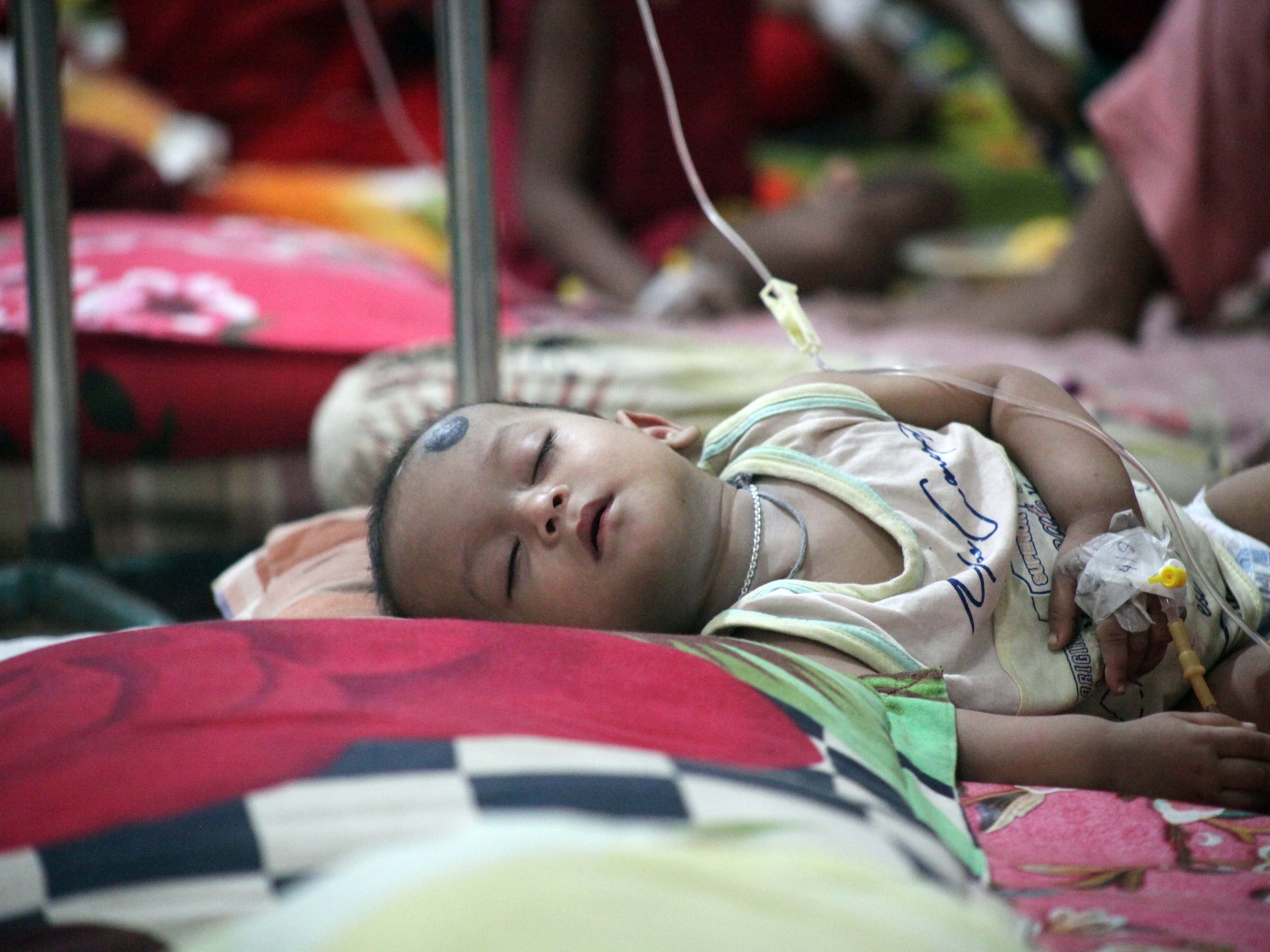
On [Insert Specific Date – e.g., August 15, 2025], Bangladesh reported a grim milestone: 12 deaths and 740 new hospitalizations due to dengue fever within a 24-hour period. This surge represents the highest single-day fatality count linked to dengue in the country’s recorded history. The data, released by the Directorate General of Health Services (DGHS), paints a stark picture of the escalating crisis.
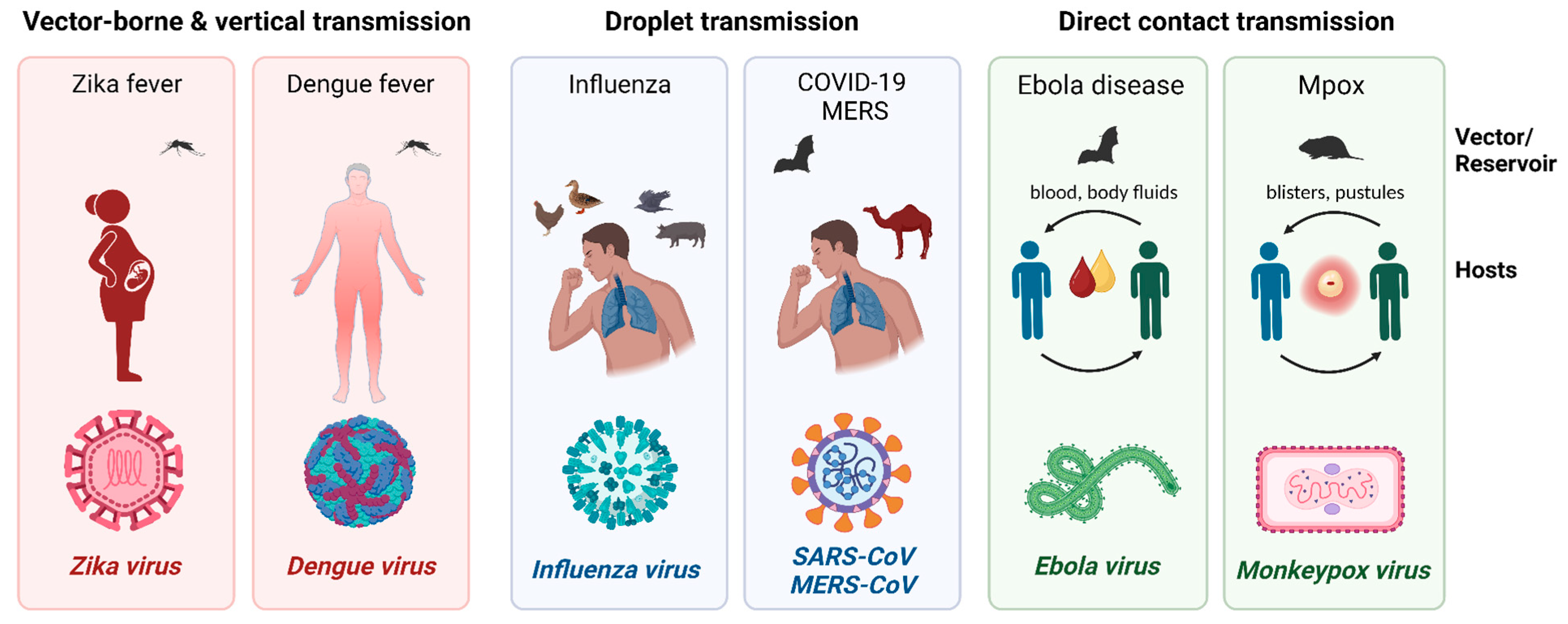
The rapid spread of dengue, a mosquito-borne viral infection, is not a new phenomenon in Bangladesh. However, the intensity of the 2025 outbreak has surpassed previous years, overwhelming the healthcare system and causing widespread alarm. The situation demands immediate and sustained intervention to mitigate the impact on public health. Early detection and comprehensive vector control are crucial in curbing the spread of this deadly disease.

Source: www.asianews.it
Geographical Hotspots: Where is Dengue Hitting Hardest in Bangladesh?
The dengue outbreak is not uniformly distributed across Bangladesh. Several districts are experiencing a disproportionately high number of cases, placing immense strain on local healthcare resources.
- Dhaka: The capital city remains the epicenter of the outbreak, accounting for a significant percentage of both hospitalizations and fatalities. High population density, inadequate sanitation, and construction activities provide fertile breeding grounds for mosquitoes.
- Chittagong: As the second-largest city and a major port, Chittagong is also witnessing a surge in dengue cases. The city’s complex infrastructure and ongoing development projects contribute to the proliferation of mosquito breeding sites.
- Other Urban Centers: Districts like Khulna, Rajshahi, and Barisal are reporting increasing numbers of dengue infections. These urban areas often struggle with waste management and water stagnation, creating ideal conditions for mosquito breeding.
Understanding these geographical hotspots is essential for targeted interventions, including enhanced vector control measures and resource allocation to the most affected areas. Public awareness campaigns should also be intensified in these regions to promote preventive behaviors.
Source: www.mdpi.com
Contributing Factors: Why is Dengue Spreading So Rapidly in Bangladesh?
Several factors contribute to the rapid spread of dengue in Bangladesh. Understanding these underlying drivers is crucial for developing effective and sustainable solutions.

Source: www.sciencedirect.com
1. Climate Change and Unpredictable Weather Patterns
Climate change is playing a significant role in exacerbating the dengue situation in Bangladesh. Rising temperatures and altered rainfall patterns create ideal conditions for mosquito breeding and transmission.
- Increased Rainfall: Heavy rainfall leads to waterlogging, creating stagnant pools where mosquitoes can breed.
- Higher Temperatures: Warmer temperatures shorten the mosquito breeding cycle and increase the rate of viral replication, leading to more rapid transmission.
- Unpredictable Weather: Erratic weather patterns disrupt traditional mosquito control efforts, making it harder to predict and manage outbreaks.
Source: owasp.org
2. Inadequate Vector Control Measures
Effective vector control is essential for preventing dengue transmission. However, in Bangladesh, these measures are often inadequate or poorly implemented.
- Lack of Consistent Fogging: Regular fogging campaigns are necessary to kill adult mosquitoes. However, these campaigns are often sporadic and insufficient to cover all affected areas.
- Ineffective Larviciding: Larviciding, the process of killing mosquito larvae in breeding sites, is also crucial. However, the use of appropriate larvicides and the coverage of breeding sites are often inadequate.
- Community Participation: Lack of community involvement in vector control efforts undermines the effectiveness of these measures.
Source: www.brookings.edu
3. Rapid Urbanization and Poor Sanitation
Rapid urbanization and poor sanitation contribute significantly to the spread of dengue in Bangladesh.
- Overcrowding: High population density in urban areas increases the likelihood of mosquito bites and dengue transmission.
- Inadequate Waste Management: Improper waste disposal creates breeding sites for mosquitoes in discarded containers, tires, and other items.
- Poor Drainage Systems: Deficient drainage systems lead to water stagnation, providing breeding grounds for mosquitoes.

Source: www.facebook.com
4. Public Awareness and Preventive Behaviors
Lack of public awareness and inadequate preventive behaviors contribute to the spread of dengue.
- Limited Knowledge: Many people lack a comprehensive understanding of dengue transmission, symptoms, and prevention measures.
- Complacency: A sense of complacency can lead to a failure to take necessary precautions, such as using mosquito repellents, wearing protective clothing, and eliminating breeding sites.
- Misconceptions: Misconceptions about dengue can lead to inappropriate treatment and delayed medical attention.

Source: www.cdw.com
5. Healthcare System Challenges
The healthcare system in Bangladesh faces numerous challenges in dealing with the dengue outbreak.
- Overburdened Hospitals: Hospitals are often overcrowded, making it difficult to provide timely and adequate care to all patients.
- Shortage of Medical Staff: A shortage of trained medical staff, particularly nurses and physicians, further strains the healthcare system.
- Limited Diagnostic Capacity: Limited diagnostic capacity can delay diagnosis and treatment, increasing the risk of complications and death.

Source: www.facebook.com
Government Response: What Steps Are Being Taken to Combat Dengue in Bangladesh?
The government of Bangladesh has implemented several measures to address the dengue outbreak. However, the effectiveness of these measures needs to be continuously evaluated and improved.
- Enhanced Surveillance: The DGHS is monitoring dengue cases and providing regular updates to the public. This surveillance helps identify hotspots and track the spread of the disease.
- Vector Control Campaigns: The government is conducting fogging and larviciding campaigns in affected areas. However, the frequency and coverage of these campaigns need to be increased.
- Public Awareness Programs: The government is running public awareness campaigns to educate people about dengue prevention. These campaigns utilize various channels, including television, radio, and print media.
- Strengthening Healthcare Capacity: The government is working to increase the capacity of hospitals and healthcare facilities to manage dengue cases. This includes providing additional beds, medical equipment, and training for healthcare staff.
- Inter-Ministerial Coordination: The government is coordinating efforts across different ministries and agencies to ensure a comprehensive response to the outbreak.
While these efforts are commendable, they need to be scaled up and sustained to effectively control the dengue outbreak in Bangladesh. A multi-faceted approach is essential, involving government agencies, healthcare providers, community organizations, and the public.
Source: www.atachcommunity.com
Long-Term Strategies: Building Resilience Against Dengue in Bangladesh
To effectively combat dengue in the long term, Bangladesh needs to adopt a comprehensive and sustainable approach that addresses the underlying drivers of the disease.

Source: www.who.int
1. Strengthening Vector Control
Vector control remains a critical component of dengue prevention. This requires a shift towards more effective and sustainable strategies.
- Integrated Vector Management: Implement an integrated vector management approach that combines different methods, including fogging, larviciding, environmental management, and biological control.
- Community-Based Vector Control: Empower communities to take ownership of vector control efforts through education, training, and resource provision.
- Research and Innovation: Invest in research to develop new and more effective vector control tools and strategies.

Source: www.baiyienviro.com
2. Improving Urban Planning and Sanitation
Improving urban planning and sanitation is essential for reducing mosquito breeding sites.
- Sustainable Urban Development: Promote sustainable urban development practices that prioritize sanitation, waste management, and drainage.
- Waste Management Infrastructure: Invest in modern waste management infrastructure, including waste collection, recycling, and disposal facilities.
- Drainage System Improvement: Upgrade and maintain drainage systems to prevent water stagnation and mosquito breeding.

Source: www.inspireli.com
3. Enhancing Public Awareness and Education
Raising public awareness and promoting preventive behaviors are crucial for long-term dengue control.
- Comprehensive Education Programs: Implement comprehensive education programs in schools, communities, and workplaces to educate people about dengue transmission, symptoms, and prevention.
- Behavior Change Communication: Develop targeted behavior change communication strategies to promote the adoption of preventive behaviors, such as using mosquito repellents, wearing protective clothing, and eliminating breeding sites.
- Community Engagement: Engage community leaders, religious organizations, and local influencers to promote dengue prevention messages.
Source: gonapsacc.org
4. Strengthening the Healthcare System
A robust healthcare system is essential for managing dengue cases and preventing complications.
- Increased Healthcare Capacity: Increase the capacity of hospitals and healthcare facilities to manage dengue cases, including providing additional beds, medical equipment, and trained staff.
- Improved Diagnostic Capacity: Enhance diagnostic capacity to ensure timely and accurate diagnosis of dengue cases.
- Training and Capacity Building: Provide ongoing training and capacity building for healthcare professionals to improve their ability to manage dengue patients.

Source: www.researchgate.net
5. Climate Change Adaptation
Addressing the impacts of climate change is crucial for long-term dengue control in Bangladesh.
- Climate-Resilient Infrastructure: Invest in climate-resilient infrastructure, including drainage systems and water management facilities, to mitigate the impacts of extreme weather events.
- Early Warning Systems: Develop and strengthen early warning systems to predict and prepare for dengue outbreaks.
- Climate Change Research: Conduct research to understand the impacts of climate change on dengue transmission and develop adaptation strategies.

Source: www.accessnow.org
The Path Forward: A Call for Collective Action in Bangladesh
The 2025 dengue outbreak in Bangladesh serves as a stark reminder of the urgent need for collective action to address this persistent public health challenge. The situation demands a coordinated and sustained effort involving government agencies, healthcare providers, community organizations, and the public. By implementing evidence-based strategies and investing in long-term solutions, Bangladesh can build resilience against dengue and protect the health and well-being of its citizens.
The recent surge in cases underscores the importance of proactive measures, including strengthening vector control, improving sanitation, enhancing public awareness, and bolstering the healthcare system. It is imperative that the government allocate adequate resources and prioritize dengue prevention efforts. Simultaneously, communities must take ownership of vector control and adopt preventive behaviors.
Dengue is a preventable disease, and with concerted efforts, Bangladesh can break the cycle of outbreaks and create a healthier future for all. It is time to translate knowledge into action and build a dengue-free Bangladesh.
Internal Linking Suggestions:
- Link “Directorate General of Health Services (DGHS)” to an existing article on the DGHS’s role in public health in Bangladesh.
- Link “vector control” to an article explaining different vector control methods in detail.
- Link “climate change” to an article discussing the impact of climate change on public health in Bangladesh.
External Linking Suggestions:
- Link to the World Health Organization (WHO) page on dengue fever. (rel=”nofollow” and target=”_blank”)
- Link to a relevant report from the Bangladesh Ministry of Health and Family Welfare. (rel=”nofollow” and target=”_blank”)
- Link to a reputable scientific article discussing the impact of climate change on dengue transmission. (rel=”nofollow” and target=”_blank”)
Social Sharing Optimization:
- Include social sharing buttons (Facebook, Twitter, LinkedIn) at the beginning and end of the article.
- Suggest pre-populated tweet text: “Deadliest day of dengue in Bangladesh: 12 deaths and 740 hospitalizations. Learn about the factors and response: [Link to Article] #Dengue #Bangladesh #PublicHealth”
- Include a visually appealing infographic summarizing key dengue prevention tips that can be easily shared on social media.


Responses