Nasirnagar: A Reflection of History, Heritage, and Struggle on the Heart of the Haor
Liton Hossain Jihad, Brahmanbaria:Located in the northern part of Brahmanbaria district under the Chattogram Division of Bangladesh, Nasirnagar is a unique sub-district that stands as a silent witness to natural beauty, rich history, and enduring struggle. Just as the haor (wetland ecosystem) brings forth vast expanses of water, it also carries stories of light and […]


Liton Hossain Jihad, Brahmanbaria:Located in the northern part of Brahmanbaria district under the Chattogram Division of Bangladesh, Nasirnagar is a unique sub-district that stands as a silent witness to natural beauty, rich history, and enduring struggle. Just as the haor (wetland ecosystem) brings forth vast expanses of water, it also carries stories of light and shadow from the lives of the people who reside here. From the origin of its name to its role in the Liberation War, economic conditions, education, healthcare, culture, and the contributions of notable personalities—Nasirnagar’s vast identity cannot be summed up briefly.
There are two popular legends regarding the naming of Nasirnagar. One version refers to the famous military commander of the Sultanate era, Syed Nasir Uddin, who came to this region to spread Islam. The area was named Nasirnagar after him. The union that bore this name later gave rise to the police precinct and subsequently to the entire upazila. Another version attributes the name to a powerful Mughal-era administrator or Dewan. Although the true historical origin remains undetermined, both narratives resonate with the deep-rooted heritage embedded in the region’s identity.
The history of Nasirnagar carries strong imprints of British colonial rule. It was during this time that the zamindari system, tax collection traditions, and the formation of policing administration began. In 1910, Nasirnagar was declared a police precinct, and formal criminal administration was initiated. After a long journey, on August 1, 1983, Nasirnagar officially became a full-fledged upazila. Administratively, it now consists of 13 unions and one municipality.
Nasirnagar’s contribution to the Liberation War of 1971 is unforgettable. Many villages were burned to ashes by the brutal Pakistani army, and countless innocent lives were lost. Particularly in areas such as Gokarna, Chapra, Chatlapar, Fandauk, and Purbo Bhagh, organized guerrilla resistance took place. Many individuals played vital roles in organizing the movement, while local youths formed a strong resistance. On December 7, Nasirnagar was liberated, and the flag of independent Bangladesh was hoisted on its soil.
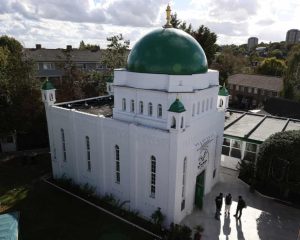
The upazila still holds many centuries-old architectural landmarks. The Nawab House of Gokarna, Mughal-style temples, 175-year-old zamindar estates, and various religious institutions bear witness to its rich cultural past. These structures reflect the harmonious coexistence of Muslims, Hindus, and people of other faiths—an enduring symbol of unity that continues to inspire awe.
Nasirnagar is crisscrossed by haors, wetlands, and rivers. Its topography makes it vulnerable to devastating floods during the monsoon. The floods of 1974 and 1988, and the catastrophic cyclone of 1971, brought immense suffering to its people. Due to climate change, annual crop losses are now common. Families dependent on single-season crops face the most severe hardship.
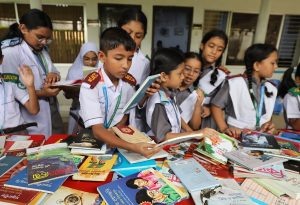
The literacy rate in Nasirnagar is still below the national average. Despite having several degree colleges, secondary and primary schools, madrasas, and kindergartens, remote haor regions remain largely deprived of educational opportunities. During monsoons, boats are often the only means for students to reach schools. However, recent development projects, educational support programs, and initiatives by NGOs have brought modest improvements.
Healthcare facilities include one upazila health complex and more than ten union health centers and community clinics. However, for complex or emergency cases, patients must travel to Brahmanbaria district headquarters or Dhaka. This makes diagnosis and treatment both costly and time-consuming.
The dialect spoken in Nasirnagar is influenced by Brahmanbaria, Kishoreganj, and Sylhet regions. The phonetics, vocabulary, and sentence structure reflect a fusion of these areas. Culturally, Nasirnagar is a rich land of folk traditions—rural songs, folk music, murshidi songs, and kirtan are still vibrantly alive. Religious festivals, orosh (spiritual gatherings), boat races, and village fairs are essential parts of social life.
About 71% of Nasirnagar’s population depends on agriculture. Paddy, wheat, jute, mustard, pulses, and potatoes are the main crops. However, due to the dominance of haors, farming is restricted to a single season, limiting employment opportunities and increasing poverty. Women are engaged in weaving, domestic farming, and animal husbandry, though their contribution hasn’t significantly impacted the broader economy. Encouragingly, fish farming and duck rearing have started to bring financial relief to many families.
Notable Personalities of Nasirnagar:
-
Nawab Syed Shamsul Huda (1862–1922): Born in Gokarna, he was the first Muslim President of the Imperial Legislative Council in British India. He represented the Muslim community in Kolkata and played a pivotal role in socio-political leadership.
-
Syed Murshed Kamal (1947–2013): A Member of Parliament during the fifth national parliament and an organizer of the Liberation War. His political consciousness and social service make him a source of pride for Nasirnagar.
-
Mohammad Sayedul Haque (1942–2017): A Member of Parliament from the seventh to tenth national parliament and former Minister of Fisheries and Livestock. His vision and dedication are fondly remembered by the people of Nasirnagar.
-
Mozammel Haque: A freedom fighter and Member of Parliament during the third and fourth parliaments. His political contributions are significant.
-
Badruddoza Md. Farhad Hossain: Current Member of Parliament of the eleventh national parliament. He plays an active role in leading Nasirnagar’s political landscape.
-
Abdur Rasul: A lawyer and politician during British India. His intellectual legacy and social leadership are still revered in historical accounts.
and resilient spirit of the people in Bangladesh’s northeastern region. From ancient temples to the achievements of modern political leaders—Nasirnagar is a land of wonder. All that is needed now is proper planning, joint public-private initiatives, and conscious leadership.