
Expat Scientists Highlight Promising Antiviral Drug Mosnodenvir to Combat Dengue Crisis in Bangladesh

Editorial Transparency & Correction Notice
This report is published through the PothikTV editorial workflow. Sources, evidence, revisions and material corrections are documented where available.
No material correction has been recorded for this story.PothikTV News Desk: 20 October 2026, 9:18 am
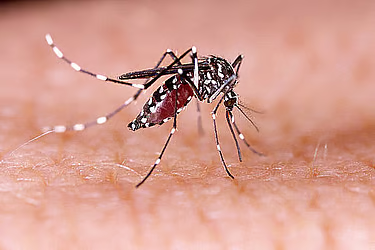
Dengue remains a persistent threat in Bangladesh, filling hospitals and claiming lives every year. Addressing this public health crisis requires more than mosquito control and awareness campaigns; effective vaccines and targeted antiviral medications are critical to mitigating the disease’s impact across the country.
Developing dengue treatments presents global challenges. Because dengue does not severely impact developed nations like the United States, major pharmaceutical entities rarely invest the billions required to bring new drugs to market. Furthermore, dengue’s four distinct serotypes (DENV-1, DENV-2, DENV-3, and DENV-4) make universal prevention difficult. Research indicates shifting prevalence in Bangladesh, with icddr,b identifying DENV-2 as dominant in 2024, while an IIEDCR study showed higher DENV-3 cases in 2026.
Currently, the Japanese pharmaceutical firm Takeda produces Qdenga, a vaccine approved for use in various countries, including India following Phase 3 trials. However, Qdenga does not offer equal efficacy against all dengue serotypes. Moreover, no dengue-specific antiviral drugs have received regulatory approval from the US FDA or the European Medicines Agency (EMA), leaving Bangladeshi drug manufacturers unable to produce generic equivalents.
A potential breakthrough exists in Mosnodenvir, a small-molecule antiviral initially discovered in the laboratory of a virologist at KU Leuven in Belgium. Global pharmaceutical company Johnson & Johnson subsequently conducted Phase 1 and Phase 2a clinical trials. Although the company halted further trials, experts suggest the decision stemmed from commercial considerations rather than safety or efficacy issues, as published scientific data revealed no significant toxicity in early trials.
Mosnodenvir functions as a pan-serotype antiviral, demonstrating potential effectiveness against all four dengue serotypes in pre-clinical tests and strong prophylactic results. Scientific papers published late last year by Johnson & Johnson and highlighted in the journal Science attracted the attention of expatriate Bangladeshi researchers, including a staff scientist at the University of Chicago.
Expatriate Bangladeshi scientists subsequently consulted with Professor Johan Neyts of KU Leuven, whose lab discovered the molecule. Following detailed reviews of the data presented by Professor Neyts’ team, the researchers concluded that Mosnodenvir holds significant promise for dengue treatment in Bangladesh.
To move the drug forward, Bangladesh could undertake Phase 2b therapeutic clinical trials. Institutions such as icddr,b possess substantial experience in managing such trials. If successful, the Directorate General of Drug Administration (DGDA) could consider Emergency Use Authorization, enabling local pharmaceutical firms or a national alliance to license and manufacture the medication to address the country’s public health needs.
সম্পর্কিত সংবাদ



এই বিভাগের উল্লেখযোগ্য সংবাদ
Health →


Corroborating Sources & Evidence
Corrections & Audit Trail
Material changes and newsroom transparency notes associated with this report.
SEO & Schema.org
- Schema type
- NewsArticle
- Canonical URL
- https://pothiktv.com/expat-scientists-highlight-promising-antiviral-drug-mosnodenvir-to-combat-dengue-crisis-in-bangladesh/
- Slug
- expat-scientists-highlight-promising-antiviral-drug-mosnodenvir-to-combat-dengue-crisis-in-bangladesh